
The Beach at Falesa
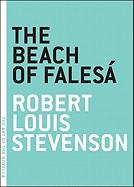
Editorial Melville House Publishing
Fecha de edición abril 2005 · Edición nº 1
Idioma inglés
EAN 9780976140719
116 páginas
Libro
encuadernado en tapa blanda

Resumen del libro
"White men die very suddenly in Falesa."
Originally censored by its British publisher, "The Beach at Falesa" is a scathing critique of colonialism and economic imperialism that bravely takes on many of the 19th Century' s strongest taboos: miscegenation, imperialism, and economic exploitation. It does so with a story that features a surprising and beguiling romance between an adventurous British trader and a young island girl, against a background of increasing--and mysterious--hostility. Are the native islanders plotting against the couple, or is it the other white traders? The result is a denouement that is astonishing in its violence. Told in the unadorned voice of the trader, it is a story that deftly combines the form of the exotic adventure yarn with the moral and psychological questing of great fiction.
The Art of The Novella Series
Too short to be a novel, too long to be a short story, the novella is generally unrecognized by academics and publishers. Nonetheless, it is a form beloved and practiced by literature's greatest writers. In the Art Of The Novella series, Melville House celebrates this renegade art form and its practitioners with titles that are, in many instances, presented in book form for the first time.
Contributor Bio: Stevenson, Robert Louis
Robert Louis (Balfour) Stevenson was a prolific Scottish poet and novelist in the 19th century. He was admired by many other authors, and his work includes The Black Arrow, Kidnapped, and The Strange Case of Dr. Jekyll and Mr. Hyde. He died in 1894.
Biografía del autor
Robert Louis Stevenson (Edimburgo, 1850 - Vailima Upolu, Samoa Occidental, 1894). En la tumba de este escritor escocés, en una lejana isla de los mares del Sur a la que fue por motivos de salud, figura grabado el apodo que le dieron los samoanos: Tusitala, el contador de historias . Se dio a conocer como novelista con La isla del tesoro (1883) y su popularidad como escritor se basó fundamentalmente en los emocionantes argumentos de sus novelas fantásticas y de aventuras, en las que siempre aparecen contrapuestos el bien y el mal, a modo de alegoría moral que se sirve del misterio y la aventura. Fue muy reconocido en vida y su escritura ha sido de gran influencia para importantes autores posteriores.