
Wuthering Heights Deluxe Painted Edition
Editorial Harper Collins USA
Fecha de edición noviembre 2025 · Edición nº 1
Idioma inglés
EAN 9781400351602
416 páginas
Libro
encuadernado en tapa dura

Resumen del libro
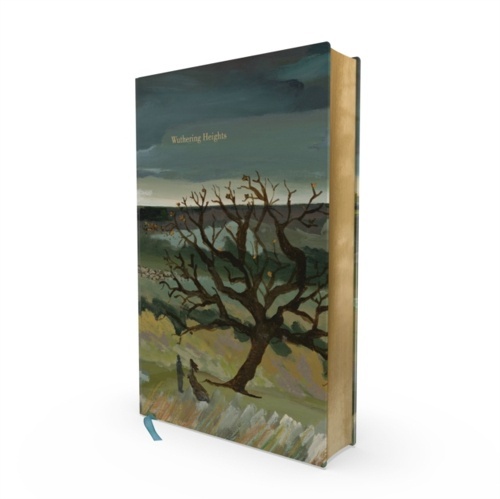
Featuring beautiful cover art from artist Laci Fowler, this fine collector's edition of Emily Brontë's Wuthering Heights is a must-have for book lovers and literature fans. One of English literature's classic masterpieces a gripping novel of love, propriety, and tragedy. In this classic gothic story, Catherine Earnshaw is forced to choose between passionate, tortured foundling Heathcliff and gentle, well-bred Edgar Linton.
Catherine surrenders to the expectations of her class and sets off a domino effect with lasting consequences. As bitterness and vengeance at this betrayal are visited upon the next generation, Catherine and Heathcliff's innocent heirs must struggle to escape the legacy of the lovers' tortured past. Whether you're buying this as a gift or for yourself, this remarkable edition features: a beautiful high-end hardcover featuring Laci Fowler's distinctive hand-painted art, perfect for standing out on any discerning fiction lover's bookshelf; embossed cover art and gold foiling; decorative interior pages featuring pull quotes distributed throughout; a matching ribbon marker; and gold page edges.
Biografía del autor
Emily Brontë (1818-1848) nació en Thornton, Inglaterra, pero pasó toda su vida en Haworth, un pueblecito del condado de Yorkshire que le serviría de inspiración para ambientar la única novela que escribió, Cumbres Borrascosas. Tanto ella como sus hermanos se formaron en el gusto por las artes, sobre todo la música, la pintura y la escritura, y junto a sus hermanas, Charlotte y Anne, publicó, ocultándose bajo seudónimos masculinos, un libro de poemas, Poemas de Currer, Ellys y Acton Bell, que, a pesar de cosechar buenas críticas, apenas se vendió. Los veintiún poemas de Emily que se recogen en este libro se consideran los mejores del volumen y de lo más destacado de la poesía victoriana. Cumbres Borrascosas apareció en diciembre de 1847 y tuvo una fría acogida, ya que, como obra única e inclasificable que es, con una estructura tan atípica para la época, no fue entendida por sus contemporáneos, cuya moral y cosmovisión victorianas no lograban digerir lo que les ofrecía tan arrebatada narración.