
The Great Gatsby C1
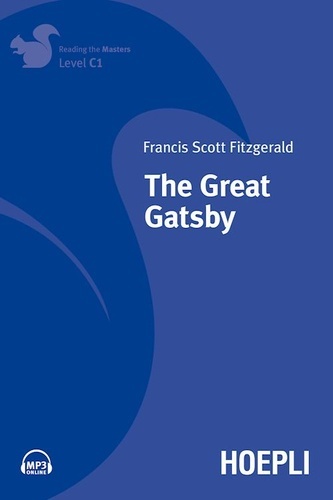
Editorial Hoepli
Colección Leggere, Número 0
Lugar de edición
Milano, Italia
Fecha de edición julio 2014 · Edición nº 1
Idioma inglés
EAN 9788820361396
218 páginas
Libro
encuadernado en tapa blanda
Dimensiones 130 mm x 190 mm

Resumen del libro
The Great Gatsby, written by the American author F. Scott Fitzgerald, set in the fictional town of West Egg on prosperous Long Island in 1922, is about the young and mysterious millionaire Jay Gatsby and his passion for the beautiful Daisy Buchanan. Gatsby knew Daisy from a romantic encounter in 1917 when he was not yet wealthy, and he is still deeply in love with her. When they meet again he is rich and impresses her with his extravagant lifestyle and wild parties. They begin an affair and, after a short time, Daisy's husband, even though he is himself involved in an extramarital affair, becomes outraged by his wife's infidelity. He confronts Gatsby and announces to his wife that Gatsby is a criminal whose fortune comes from bootlegging alcohol. This will lead to a tragic conclusion. The story explores themes of decadence, idealism, social upheaval, and excess, and creates a portrait of the Roaring Twenties. The volume includes a full biographical introduction about Fitzgerald, accurate footnotes; nine sections with comprehension, vocabulary and grammar activities; CAE-style tests for C1 level; some selectedhapters included in the audio; a final section of drama activities.
Biografía del autor
Francis Scott Fitzgerald (1896 1940) fue uno de los escritores más influyentes de la literatura estadounidense del siglo XX. Formado en Princeton, orientó su vida hacia la creación literaria tras un breve período en el ejército durante la Primera Guerra Mundial. Con A este lado del paraíso (1920) inició una carrera fulgurante que lo convirtió en el principal cronista de la Era del jazz . Autor de obras emblemáticas como El gran Gatsby, Hermosos y malditos y Suave es la noche, exploró con extraordinaria lucidez las tensiones entre deseo, clase social y desengaño en la modernidad norteamericana. Su estilo preciso y elegante, unido a una sensibilidad única para captar el espíritu de su tiempo, lo ha consagrado como una figura central en el canon literario contemporáneo.