Republic
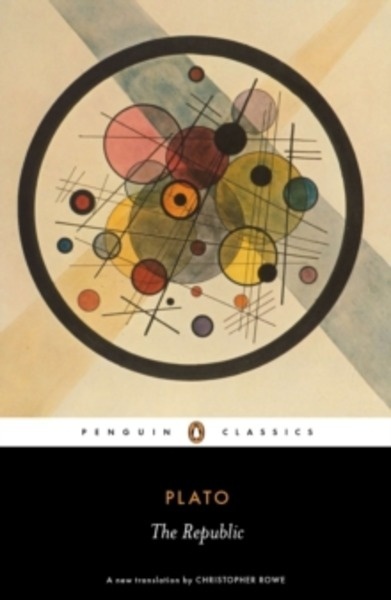
Editorial Penguin UK
Fecha de edición septiembre 2012 · Edición nº 1
Idioma inglés
EAN 9780141442433
496 páginas
Libro
encuadernado en tapa blanda

Resumen del libro
An authoritative new translation of Plato's The Republic by Christopher Rowe, with notes and an introduction. 'We set about founding the best city we could, because we could be confident that if it was good we would find justice in it' The Republic, Plato's masterwork, was first enjoyed 2,400 years ago and remains one of the most widely-read books in the world: as a foundational work of Western philosophy, and for the richness of its ideas and virtuosity of its writing. Presented as a dialogue between Plato's teacher Socrates and various interlocutors, it is an exhortation to philosophy, inviting its readers to reflect on the choices to be made if we are to live the best life available to us.
This complex, dynamic work creates a picture of an ideal society governed not by the desire for money, power or fame, but by philosophy, wisdom and justice. Christopher Rowe's accurate and enjoyable new translation remains faithful to the many variations of the Republic's tone, style and pace. This edition also contains a chronology, further reading, an outline of the work's main arguments and an introduction discussing Plato's relationship with Socrates, and the Republic's style, ideas and historical context.
Biografía del autor
Platón nació en Atenas o en Egina en torno al año 427 a. C., en el seno de una familia aristocrática. Fue discípulo de Sócrates, cuya figura marcaría decisivamente su pensamiento. Tras la muerte de su maestro, viajó por diversas regiones del mundo griego y fundó en Atenas la Academia, una institución dedicada al estudio de la filosofía que perduró durante siglos. Platón abordó en su obra cuestiones centrales de la ética, la política, la metafísica y el conocimiento. Murió en Atenas hacia el 347 a. C.