
Footprints
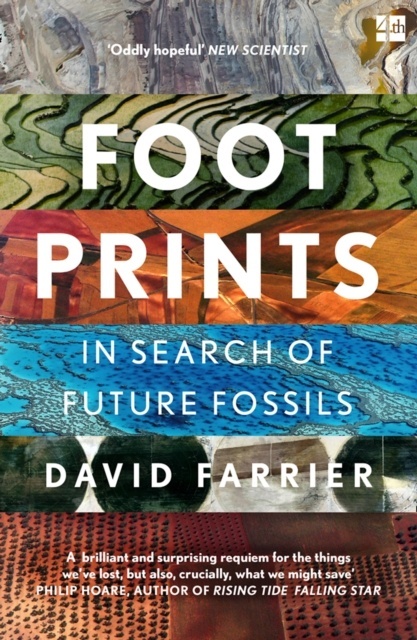
Editorial 4th Estate
Fecha de edición abril 2021 · Edición nº 1
Idioma inglés
EAN 9780008286378
320 páginas
Libro
encuadernado en tapa blanda
Dimensiones 129 mm x 198 mm

Resumen del libro
A profound meditation on climate change and the Anthropocene and an urgent search for the fossils-industrial, chemical, geological-that humans are leaving behind What will the world look like ten thousand or ten million years from now? In Footprints, David Farrier explores what traces we will leave for the very deep future. From long-lived materials like plastic and nuclear waste, to the 50 million kilometres of roads spanning the planet, in modern times we have created numerous objects and landscapes with the potential to endure through deep time. Our carbon could linger in the atmosphere for 100,000 years, and the remains of our cities will still exist millions of years from now as a layer in the rock.
These future fossils have the potential to tell remarkable stories about how we lived in the twenty-first century. Through literature, art, and science, Footprints invites us to think about how we will be remembered in the myths, stories, and languages of our distant descendants. Travelling from the Baltic Sea to the Great Barrier Reef, and from an ice core laboratory in Tasmania to Shanghai, one of the world's biggest cities, David Farrier tells a story of a world that is changing rapidly, and with long-term consequences.
Footprints will not only alter how you think about the future, it will change how you see the world today.
Biografía del autor
David Farrier es profesor de Literatura y Medio Ambiente en la Universidad de Edimburgo. Su primer libro, Huellas. En busca del mundo que dejaremos atrás (Crítica, 2022), exploraba las huellas que estamos dejando en el planeta y cómo podrían aparecer en el registro fósil del futuro remoto. Fue seleccionado como libro del año por The Times y The Telegraph, recibió elogios de Robert Macfarlane y Margaret Atwood, y se ha traducido a diez idiomas. Ha publicado artículos en The Atlantic, BBC Future, Emergence, Prospect, Daily Telegraph, Orion y The Washington Post. Ha participado en numerosos encuentros en línea, ha sido conferenciante en la Royal Geographical Society y ha intervenido en programas de radio y pódcasts como BBC Free Thinking y Little Atoms. El ingenio de la naturaleza es su segundo libro y fue finalista del Wainwright Prize for Conservation Writing.