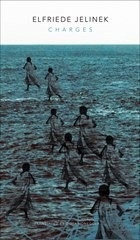
In recent years, the refugee problem has become impossible to ignore, as multiple crises in the Middle East and Africa have driven thousands of desperate people to attempt Mediterranean crossings in hopes of reaching Europe, and safety. Many have died en route, and those who make it face a far from certain future, as European governments have proved reluctant to fully acknowledge, let alone commit to ameliorating, their plight.
In Charges (The Supplicants), Nobel Prize winning writer Elfriede Jelinek offers a powerful analysis of the plight of refugees, from ancient times to the present. She responds to the immeasurable suffering among those fleeing death, destruction, and political suppression in their home countries and, drawing on sources as widely separated in time and intent as up-to-the-minute blog postings and Aeschylus's The Supplicants, Jelinek asks what refugees want, how we as a society view them, and what political, moral, and personal obligations they impose on us. Looking at the global refugee crisis of our current moment, she analyzes challenges to the political, social, and psychological realities in safe, comfortable Western countries, exploring what everyday language and media coverage reveal about Western perceptions of refugees. In a world where insecurity seems to spread by the day, Charges (The Supplicants)is a timely, unflinching account of how we treat those who come to us in need.
 Cerrar



 Volver