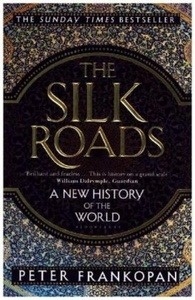
The sun is setting on the Western world. Slowly but surely, the direction in which the world spins has reversed: where for the last five centuries the globe turned westwards on its axis, it now turns to the east
For centuries, fame and fortune was to be found in the west - in the New World of the Americas. Today, it is the east which calls out to those in search of adventure and riches. The region stretching from eastern Europe through the Balkans, across the Caucasus, the Caspian Sea and sweeping right across Central Asia deep into China and India, is taking centre stage in international politics, commerce and culture - and is shaping the modern world.
These regions are obscure to many in the English-speaking world. They are places where the largest farms are bigger than small European countries (Kazakhstan); where the untapped supplies of uranium and potassium are vast (Russia, Uzbekistan, Kazakhstan) or where McDonalds buy the entire annual sesame seed harvest to sprinkle on the baps of their fast-food restaurants (Azerbaijan)
These peoples, places and cultures once dominated the world, tied by trading networks, commercial veins through which religion, good and ideas were disseminated. The rise of the West in the early modern period came at the expense of these eastern networks. But now a new silk road is emerging, with patterns of exchange uncannily similar to those that have criss-crossed Asia for millennia.
 Cerrar



 Volver